Storm-Damaged Fencing Remediation
Storm season has a specific sound. Not simply the wind-up holler, but the quieter after-effects sounds, the soft clatter of a loose article gliding in the dirt, the scrape of a gateway that no more hangs right, the quick snap as a splinter surrenders. A fencing takes a beating in that minute in between "the storm mores than" and "someone ultimately walks the property line." When you bring back storm damages properly, you are not just making the fence look whole once again. You are redeeming security, personal privacy, and that strong feeling that your backyard is still yours.
I have brought back fences after straight-line winds that looked safe at a range, and after wet, heavy weather where the tornado seemed to drag every little thing down by inches. The repair technique adjustments every single time, however the judgment calls follow a pattern. You examine, you decide what can be recycled, you maintain what is still standing, and you reconstruct the parts that really failed.
What storm damage really tells you
A fence hardly ever "just breaks." It falls short since one link in the system gave way. In some cases it is obvious, like a blog post snapped cleanly at ground level. Other times it is much more subtle: a picket that's still upright however twisted, rails that look mostly straight until you run a degree along them, or hardware that made it through the strike yet loosened up enough to start a brand-new problem.
The fastest way to obtain misleaded is to deal with the visible damages as the whole tale. I've seen crews change a couple of busted boards on a section that looked bad, just to return a week later on when the rest of the panel took out of the framework. The actual damage was listed below the surface, where the article structure had been threatened by overflow. The fencing didn't fail because timber is weak, it failed because support is everything.
When you stroll the fencing line after a tornado, focus on the instructions of anxiety. If dropped branches point one way, the wind pattern normally does too. If a gate swings oddly away, the hinge side most likely shifted. If the bottom rail is bowed but the leading rail is undamaged, the panel most likely took a side hit and afterwards sagged as it dried out.
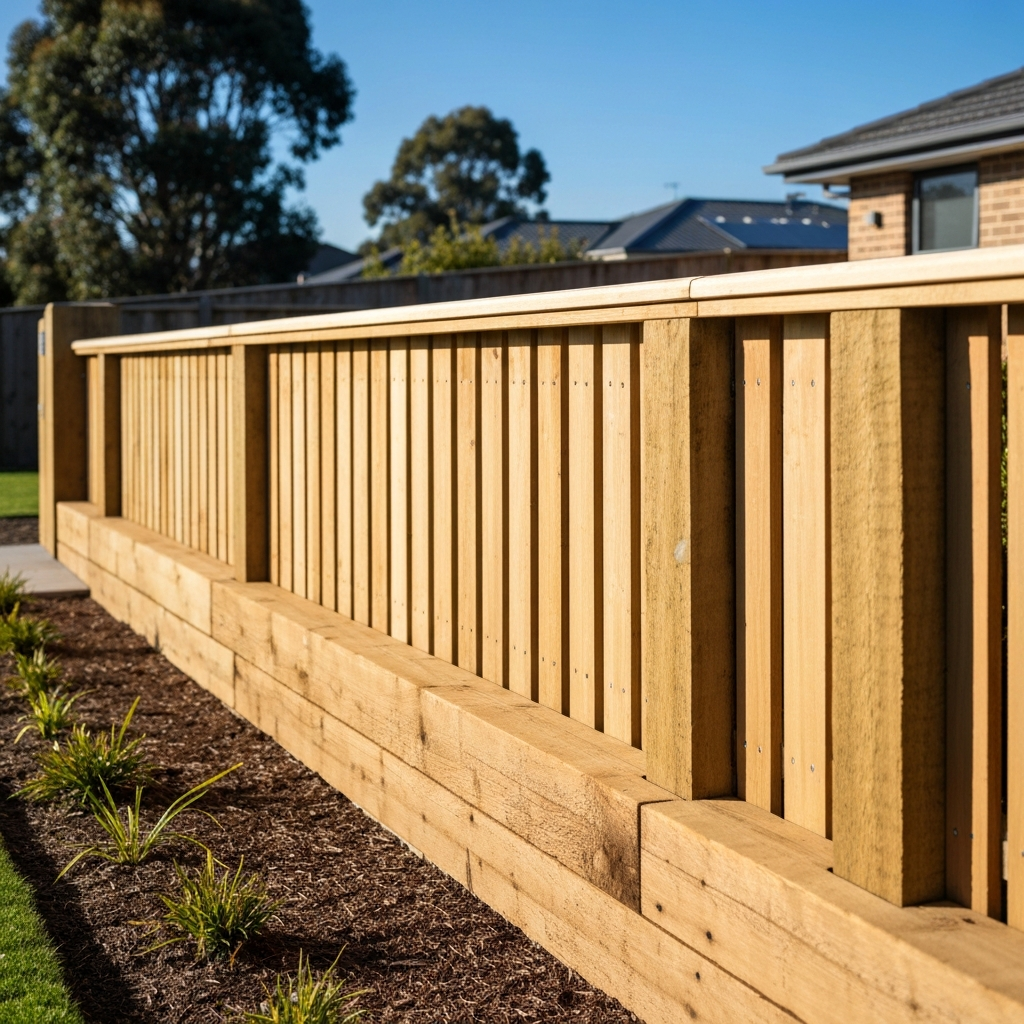
Signs you need greater than cosmetic repair
There are some "informs" that press you towards full or partial restore instead of patching. A blog post that totters when you push it by hand is the very first warning. So is concrete that collapses or dirt that has rinsed around the post. If you see fasteners that are curved, not just missing out on, that suggests the framework moved and turned while under load.
Also, look for damages that looks light yet changes the feature. A fencing can still "stand" while its positioning is off by a few inches. That inequality worries joints, latches, and locks, and it makes future fixings extra costly because whatever is slightly out of square.
First priorities: maintain individuals safe and stop second damage
Before you grab devices, decide what needs to take place in the following couple of hours. Storm repairs are not only regarding appearances. A dropped rail can be sharp. A space in a gateway can come to be a retreat route for animals, or a very easy course for individuals to wander in where they should not.
You do not need to reconstruct instantly, however you do require to maintain. If a section is down, don't leave it where it can catch someone's foot and suggestion better. If an article is leaning, do not presume it will certainly hold steady. Leaning articles can fall when the ground softens, particularly after another rainfall.
Here is the quick triage I make use of at the start, since it maintains the job from developing into disorder:
- Check for low-hanging cords or anything that looks unsafe, and step back if you believe electric hazards
- Secure loose panels and entrances with short-lived bracing so they can not tip more
- Identify articles that are out of plumb or wobbly, considering that those typically require structure job
- Photograph the damages for your own recommendation and any type of insurance documents
- Mark home line boundaries if you share a fence with a neighbor, so repair services do not sprawl into disagreements
That list is short intentionally. The essence is to maintain the situation secure long enough to check it properly.
Assessing the failing: wood, steel, or mixed systems
Storm damage restoration depends heavily on what type of fencing you have. Different materials stop working differently, and the fix you choose ought to match the initial framework, not just the surface damage.
Wood fencings: when the blog post is the problem
With timber fencings, the post is almost always the choosing variable. Fencing panels can endure a whole lot if the posts are strong. Once a post structure is compromised, the fence comes to be a domino effect. Rails begin retreating, boards twist, and bolts that were originally snug work loose under duplicated flexing.
When a tornado strikes, wood commonly looks undamaged while the hardware gives up first. Nails can loosen up and afterwards rack the framing. Screws can shear or bend. If you see bent equipment, presume the framing relocated during the impact, which suggests the repair service needs to restore structural alignment, not simply replace boards.
Vinyl fencings: splitting, bending, and what's actually happening
Vinyl is difficult versus rot, yet it is not invincible to wind loads. Plastic rails and pickets can split or warp, especially when they are under stress and then soak up dampness while the broken area avoids of placement. The trap with plastic is thinking that a snapped item is the entire repair work, when the actual problem is a support or brace that shifted.
I have actually viewed vinyl sections persuade slightly after storms, then progressively get worse as the yard resolves. Plastic panels often need the spacing reset, and the placing points checked.
Chain link: leaning, extended textile, and curved tension
Chain link feels strong, and it normally is, yet the stress system matters. Tornados can turn end messages and draw the fabric out of positioning. As soon as tension is wrong, the fabric can sag, and the gate positioning becomes a mess.
For chain web link, the remediation is typically much less regarding changing fabric and more about re-establishing correct tension, correcting articles, and fixing gate hardware. If articles are bent, you may require to replace them, due to the fact that bending back is seldom as secure as re-installing properly.
Mixed fences: the "tough setting"
Many buildings have mixes: wood panels with metal posts, ornamental caps, or gateways that are a various product from the rest of the fence. Blended systems complicate repair services because each element wants a different technique. For instance, a metal article may be great while the timber rails are twisted and the gate hardware has changed. In those circumstances, the most dependable repair work come from restoring the user interface factors carefully, not rushing to match "what broke" on the surface.
Deciding what to recycle and what to replace
You can conserve money when you reuse the appropriate parts, yet you can also throw away cash when you recycle what need to be changed. After storms, it's tempting to restore every little thing that still looks useful. My regulation is simple: reuse only what is structurally audio, and replace anything that has transformed form or shed its anchoring.
Here are the typical categories that transform decisions quickly:
- Posts that are split, out of plumb beyond a small margin, or totter when tested generally get changed
- Rails and framing that are twisted commonly should be changed, because correcting a deformed member can weaken it and it will not remain true
- Boards or pickets that are broken however not warped may be salvageable, depending upon exactly how they fit and whether the bordering framework is square
- Hardware that is curved or shows extended screw openings usually gets replaced, since it will not tighten similarly twice
- Foundations with washout, loosened dirt, or gaps under concrete ought to be rebuilt, not patched with surface area fill
This is where a fence company makes its online reputation. Some will swiftly offer replacement panels. Others will do mindful salvage where it genuinely makes sense. The most effective ones check out your specific damage pattern, after that explain why a component is either risk-free to reuse or otherwise, based on exactly how it failed.
Foundation and blog post fixing: the component people underestimate
If there's one lesson I learned by hand, it is that "post repair" often indicates "structure repair." You can replace a blog post and still have the fence stop working once more if the ground around it is compromised.
Storm overflow can threaten the base of a post. Hefty rain saturates dirt, and after that wind-driven influences shift the fencing, which can develop gaps around the concrete or wash great material away. When the soil resolves later, the post leans, and the panel racks.
A useful repair work strategy usually entails removing what's damaged, confirming the dirt condition, and then rebuilding a steady ground. The technique depends upon local conditions and the materials used initially. Some work call for breaking out old concrete. Others require excavating to get to strong dirt. In wetter areas, you might need a stronger structure or much deeper set depending on the fence height and panel weight.
There's a judgment phone call below that you must not disregard: if the article can't be appropriately re-set without disturbing a lot of landscaping, you still need to decide whether repair work deserves it or if substitute makes more sense. I've seen "minor fixings" become larger digs when individuals realized too late that the article foundation was already failing.
Rebuilding panels and positioning: where handiwork shows
Even when you replace the best parts, the fence can look incorrect if alignment is off. A storm can rack a section so the top looks fine but the spacing is irregular, or eviction sits uneven and drags out the ground.
When I recover a fencing, I focus on the alignment factors first. A degree and a straight recommendation issue. You desire the article encounters and rails lined up so panels hang without turning. Gates are specifically delicate due to the fact that joints enhance little differences. If the hinge side is out of square, the latch will not fulfill properly, and you end up compeling it, which worries the equipment and brings about a repeat failure.
Panels likewise need constant spacing. Individuals see irregular picket spacing more than they see small rail degree variants. If the panel is a little manipulated throughout installment, the fencing might look "practically right," which is exactly just how little architectural issues end up being future repair service projects.
A note on "matching" after storms
When you're bring back existing fencing sections, you might encounter inequalities in color, board width, and hardware style. Weather condition can mature wood unevenly. Even if you utilize the exact same lumber types, tone changes. Substitute pickets might look various after a few months, especially if they were saved dry and afterwards mounted when they soaked up moisture.
The finest approach is to match what issues structurally, after that approve that aesthetic matching may need time. If you desire the fencing to look consistent right now, you might need broader replacement or completing job, like sanding and sealing. Otherwise, you are repairing damage and enabling all-natural aging to blend the brand-new wood over time.
Gate remediation: the covert weak link
Storms enjoy gates due to the fact that entrances are both useful and susceptible. A gateway is a bar. It takes pressure throughout a tornado, and if the joint side shifts, the entire gate modifications geometry.
After a tornado, I evaluate gateways prior to I start changing anything. I lift and inspect the hinge side for looseness. I check out latch get in touch with points. I run a hand along the frame to locate where it drags.
Common entrance troubles consist of:
- Bent hinge articles or changed hinge brackets
- Sagging on the lock side as a result of a compromised hinge-side structure
- Racking that makes eviction close however not lock conveniently
- Bent latch hardware that still clicks however does not line up reliably under wind load
Sometimes you can restore a gateway by re-hanging it and changing a couple joint elements. Various other times you need to restore the gate framework, particularly if the tornado twisted the rails. If you maintain requiring alignment with bent hardware, you take the chance of damaging something once again throughout the very first gust.
Weather removing and water drainage: stop the re-damage loop
One factor fencings stop working repetitively after tornados is that nothing protects against the very same water and stress and anxiety from taking place again. If your fencing line rests near an incline, tornado runoff can repeatedly saturate the base of posts. Leaves and debris can catch moisture versus timber. In some areas, rating causes water to pool directly around the fence line.
During remediation, it deserves searching for basic repairs. Regrading a small area can safeguard article structures. Clearing debris can improve air movement and minimize prolonged moisture for timber. For gates, ensuring the latch location and lower clearance stay proper can decrease the "bar impact" throughout wind storms.
I have actually also seen fencings that were repaired without resolving where snow piles or landscaping drainage strikes them. A fencing that takes effect from landscape design equipment, or that collects water versus the article, will certainly repeat the failure pattern. The fix is not always significant, yet it is usually more valuable than replacing a few boards.
Matching repair service style to your objectives and budget
You can come close to storm-damaged fence restoration in more than one method. Some property owners want "back to regular" as swiftly as feasible. Others desire one of the most long lasting repair service, also if it suggests replacing more sections.
This is where compromises turn up. Changing entire sections costs more upfront yet minimizes the opportunity of future dissimilar failures. Recovering parts prices less ahead of time however needs much more careful inspection and positioning to prevent concealed weak points from reappearing.
If you are determining between fixing and wider replacement, here's a functional means to think of it:
- Quick solution design: changes just noticeably damaged components, best when posts and structures are solid
- Structural repair work style: changes jeopardized framing, re-sets blog posts as required, focuses on positioning and security
- Full area restore: replaces complete panel sections or runs lengthy stretches, best when damage is widespread
- Long-term upgrade style: enhances structures and hardware, can entail product changes for far better wind performance
None of these designs are "far better" across the board. The ideal option depends upon how many posts failed, whether the ground rinsed, and just how much the fencing was racked. A tornado that hit one corner difficult might ask for targeted rebuilds, while a gusty night that tore across the whole line could justify changing longer runs for a cleaner, more dependable result.
The function of a fence company: what to look for
A strong fence company brings greater than labor. They bring the ability to diagnose where the real failure took place and to match the fixing approach to the existing system. Some business concentrate on rate. Others concentrate on craftsmanship. The good ones balance both, and they clarify their thinking without talking down to you.
When you inquire about tornado repair work, I recommend focusing on how they reply to in-depth concerns. Do they inquire about the storm direction and what stopped working first? Do they check article foundations and placement? Do they describe whether they will certainly recycle parts, and why?
If you are planning insurance policy documents, a business that takes clear images and labels sections can conserve you headaches later. If you are sharing a fencing with a neighbor, a firm that fits talking about common responsibility can reduce friction.
You are working with experts, yet you are also hiring a judgment style. A cautious fence company will certainly usually identify repair work you did not assume you required. A hurried one could just offer what you asked for, also if the hidden failing pattern is bigger.
Material choices after storm damage
Sometimes you need to replace sections, which's when material choices issue. Timber is common, and it can be excellent for lasting aesthetic appeals, yet it replies to weather. Vinyl and chain link take care of dampness and influence differently. Steel reinforcements and higher-grade hardware can alter just how a fence does in future storms.
One thing to prevent is exchanging materials without thinking about compatibility. A wood fencing repaired with dissimilar equipment could loosen in time if opening sizes and bolt types do not align. Plastic panels require suitable brackets and placing approaches. Chain web link gateways require certain stress and framework positioning to execute correctly.
If you want a fencing to make it through the next tornado much better, discuss support at the points that take tons. Posts and joint locations are normally where you get one of the most longevity per dollar, since that is where pressure travels.
A real-world repair service story: the "looks fine from the road" fence
A property owner called after a storm since their fence "wasn't too bad." From the road, it looked primarily straight. A few boards were missing out on, and one gateway panel had come loose. When we strolled the line, the reality was different. One article near the corner had changed just enough that the rails were somewhat twisted. The boards weren't falling because the remainder of the fence was still holding them, however the stress in the panel was kept in the frame.
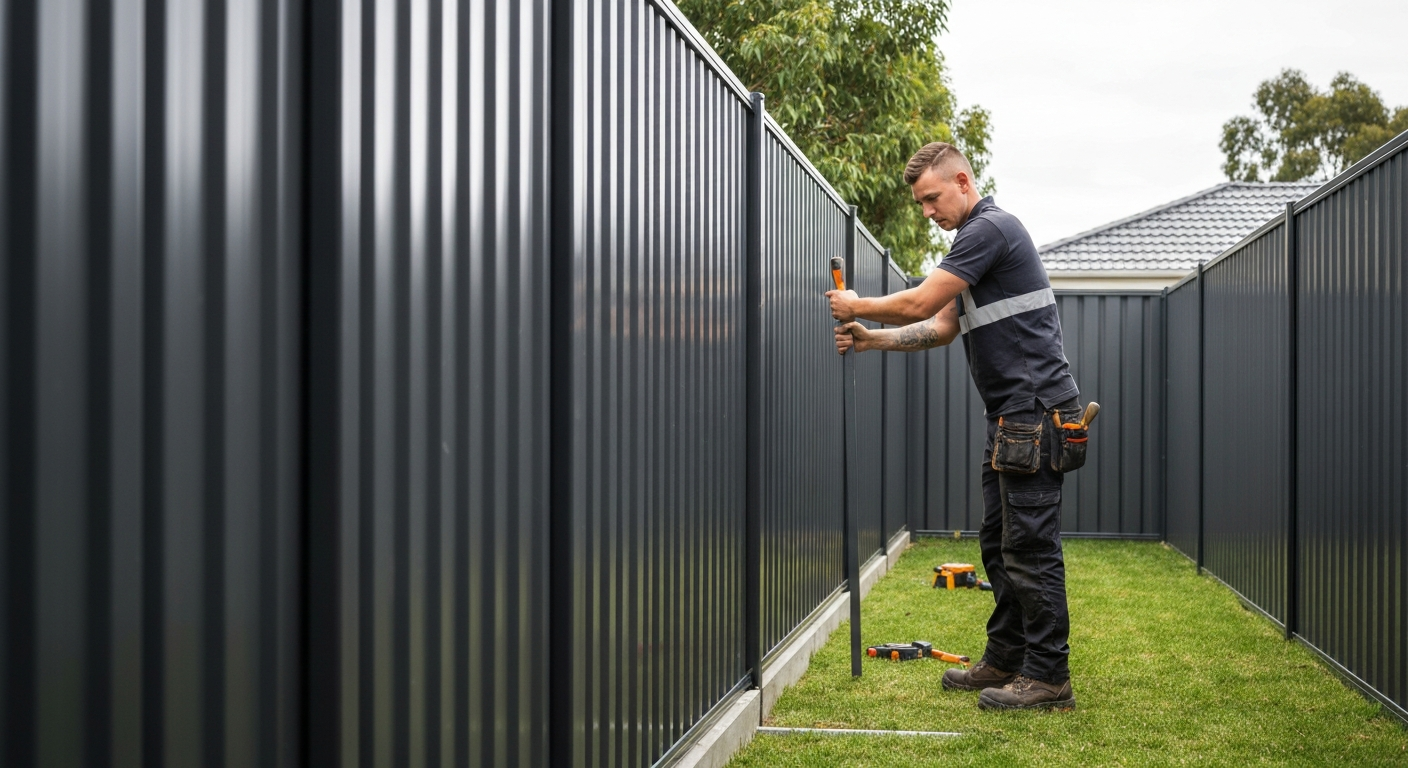
We re-set the post properly and reconstruct the rail framing so the panel hung square once again. We changed the bent bolts fence contractors Melbourne topfencing.com.au and exchanged out boards that were fractured but also distorted from the force. The gate then locked easily once again, without dealing with the hinge geometry.
What stunned the property owner was just how rapidly the fencing "felt appropriate" once the positioning was recovered. The finish mattered, but security mattered more. After that fixing, the fencing really did not just look much better, it stopped imitating it was regularly trying to go back to the busted shape.
That story prevails. Storm damage usually hides in the details. If you just fix what you see first, you miss the part that will certainly fail next.
Maintenance that really helps after you repair
A repaired fencing still stays in weather. If you desire the remediation to last, you need maintenance that matches your environment. This is not concerning consistent work. It has to do with little checks after storms, so little issues do not come to be architectural failures.
In my experience, the simplest maintenance includes searching for article wobble, viewing gates for sagging, and checking hardware before rust or loosening spreads. If you seal or stain wood, do it at the right time of year so you obtain protection without capturing wetness. For vinyl and steel, keep an eye on fracturing or loosened braces, particularly after duplicated wind events.
Also, look for landscape concerns. If shrubs or vines mature against the fence, they hold wetness and include utilize throughout storms. Trim anything that can capture wind and pull on the fence.
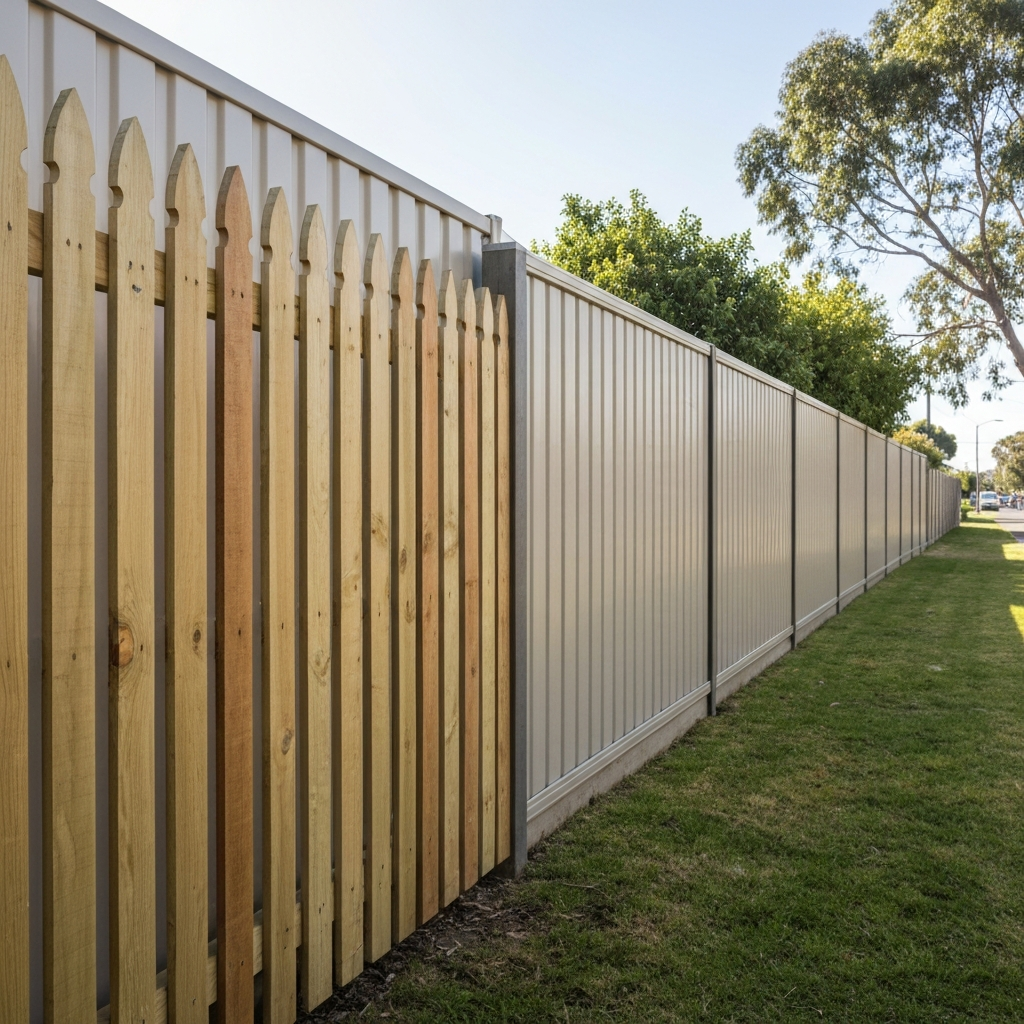
Working timelines: the length of time tornado repair services take
Timing relies on components availability, just how much excavating is required, and whether you are replacing several sections. A fast stablizing could take a day, however correct post and foundation job is seldom a one-day job, particularly if concrete removal and re-set are involved. If the fence line is substantial, plan for a few days of work and some disruption while sections are stabilized.
A great fence company will establish expectations plainly. They should tell you what tasks require weather home windows, which steps can continue immediately, and what would stand up the schedule.
If you are collaborating with neighbors for shared secure fencing, timeline matters a lot more. It's better to validate responsibilities early than to start one side and after that pause.
Choosing your next step
Storm-damaged fence remediation is equal parts repair service and examination. You are not just putting boards back. You are improving a system that can handle wind, dampness, and the slow-moving settling of soil after heavy rain.
If your fence is down, start with safety and security and stablizing. Walk the line like an investigative, seek foundation indications, check alignment, and take notice of hardware. Choose whether you are repairing the surface damages or rebuilding the framework that failed. And when you generate a fence company, select one that diagnoses very carefully, clarifies their plan, and does not deal with the task like a parts swap.
The adventurous component of this job is that you can feel the fencing come back to life as you restore its framework. The minute a gate shuts cleanly again, the minute a panel quits twisting under its own weight, you know the repair service is actual. That's what you're chasing after a tornado, not just the look of a fence, however the confidence that it will stand when the next gust rolls in.